
My participation in the Global Innovation Challenge
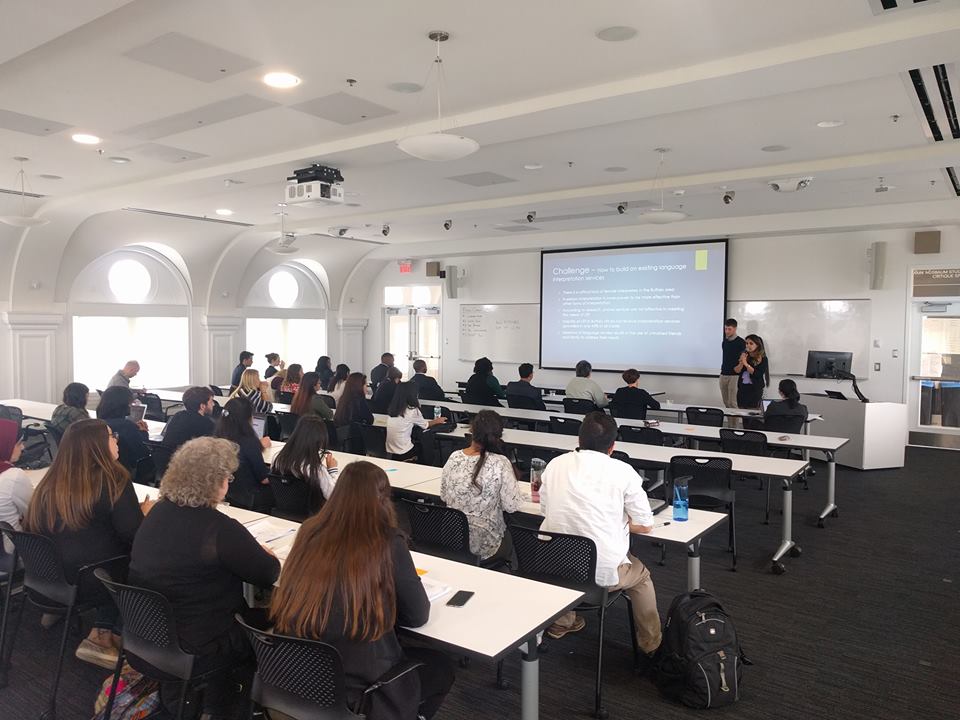
I was fortunate to have been selected to take part in the Global Innovation Challenge at the University at Buffalo this year. The one-week long intensive workshop, which ran from May 22nd to May 26th, was sponsored by UB’s Community of Excellence for Global Health Equity. I served as a fellow, presenter, coach as well as a judge.
The five-day workshop brought together undergraduate, graduate and doctoral students from across multiple disciplines – from architecture to public health to engineering with faculty and community partners to discuss challenges faced by refugees in the Buffalo area and develop real projects and solutions to those challenges. The workshop was designed for students to particularly hear challenges of health and well-being and how to bridge the gap between western and non-western medical practices.
Refugees may come to the United States with unusual health challenges, in part due to extended stays in refugee camps. Also, in their home countries and in the refugee camps, some refugees relied mostly on traditional healers for healing, treating and preventing diseases. When they arrive in the United States, communicating those diseases to caregivers, in order for them to get effective care, without losing the actual translation, is a serious challenge both refugees and caregivers try to overcome, as some of the terms are not translatable.
The first couple days of the week, students heard presentations from the fellows and several UB faculty including epidemiologists, environmentalists, urban planning as well as community partners. Students along with the fellows, faculty and community partners sorted post-it notes with inspirations from the presentations into themes to further their collective learning process. The students then formed groups to create innovative strategies with the goal to help bridge the gap between western and non-western cultures of care that will help improve the health and well-being of refugees in the region. The students were grouped into five groups and received feedbacks from the fellows and other guests along the way.
Over the course of a week, students learned a little bit about the resettlement process, communication and cultural barriers, differences between the healthcare systems and personal refugee stories.
On Friday, May 26th, the groups delivered their final projects to the judges. The groups were also given the opportunity to grade the presenting group on a scale of 1-10, 1 being the project cannot succeed as developed and 10 being the projects could succeed with proper implementation. After much deliberation, a project from the workshop was selected that will work with newly arrived high school refugee students facing academic barriers in the public school system including bullying, feeling a loss of identity and trauma experienced.
The workshop was a very refreshing and useful experience. From the workshop, I feel inspired and energized about continuing to make an impact in the lives of others. The workshop was well planned, designed and inclusive, allowing refugees themselves to be involved in the workshop. This inclusiveness is much needed in public policy to have an effective impact on the lives of refugees and people in general.
In retrospect, from architectural point of view we know that space, location and design of a civic building determine the success or failure of those using the buildings. How can we build an environment of inclusiveness from the perspectives of those who use them? What if healthcare facilities were designed by or included the inputs of the sick? What if playgrounds were designed by or included the inputs of children? How might we reduce ignorance, stigma, discrimination, and prejudice towards others?
Inclusion might help with many of the challenges people currently face in society and foster social cohesion. We have to include other people particularly the vulnerable and marginalized groups in the decision making process to build a harmonious world of peace and common prosperity.


