
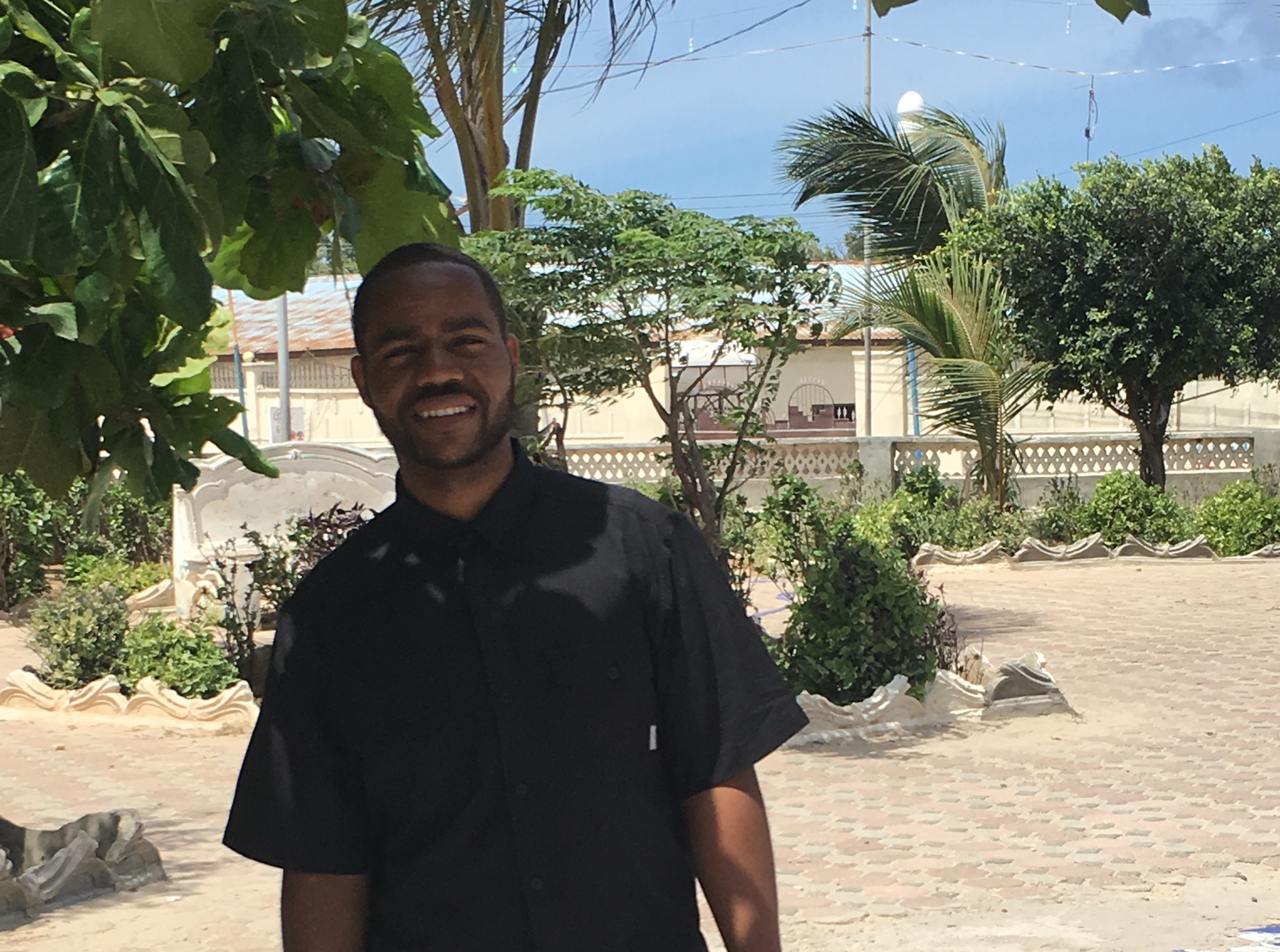
From Buffalo to Somalia: A former refugee returns to war-torn homeland
This summer, I went back to Somalia for the first time in over a quarter century.
Somalia is a country I belong to by virtue of birth, but it’s also a place I barely know. I was born in a village called Mgambo in the Lower Juba, about 250 miles south of Mogadishu. The village and much of the Jubaland region was plagued with war since the 1990s and was taken over by militant extremists in 2006. In 2012, that began to change when Jubaland was declared an autonomous region. In 2013, the Jubaland administration officially took over, but most of the area is still controlled by extremists known as Al-Shabaab.
I left Mgambo as a child when the Somali civil war started in the early 1990s and went to live in Kismayo as a refugee. This was a time when various clan-based militia groups fought to overthrow the central government led by strongman Maxamed Siyaad Barre. The armed conflict has resulted in the death of a half million people, the displacement of much of the population, including my family, and the collapse of governance in the country. The conflict has also ruined the country’s economy and reputation on the global stage.
After living in Kismayo briefly, I crossed the border with my single mother and two older siblings to settle in Dagahaley Refugee Camp in northeastern Kenya. Known as Dadaab, the camp became the world’s largest refugee settlement, with close to 245,000 people. I spent much of my childhood in Dadaab and I listen to my mother describe how beautiful, peaceful and prosperous “her” Somalia was. I always wanted to see it and this year, I finally did. It’s not the same place my mother remembers. I knew that going in. Still, I wanted to return to my birthplace and witness firsthand the effects of civil war, drought and failed governance. I wanted to see what was left of my mother’s memories.
The moment I landed in Aden Abdulle International Airport in Mogadishu, I felt different. I did feel like I was strangely home. Yet, I was also a stranger. Somalis like me – and like so many refugees – scattered across the world in our desire to live in safety. Who were the people who stayed? Did we have any connection to them? Some were my family including a brother I hadn’t seen in over 25 years.
In the airport, the hustle and shuffle seemed similar to airports around the world. Outside, soldiers paced the streets with guns. Some rode in military trucks. It reminded me of my childhood, and images of soldiers and tanks flashed through my mind. I remembered why I left.
The country remains unstable and fragile. I could not have maneuvered around without friends acting as “bodyguards” and telling me when we had to leave places quickly. Still, the country is displaying signs of progress due to efforts made by the Somali National Army in collaboration with African Union peacekeeping force in Somalia (AMISOM) and other international partners. Many people who, like me fled the country and have been absent for many years are now returning to look around and help rebuild. Public beaches are open and operating. There is also considerable growth in entrepreneurship, especially in real estate, restaurants, and hotels.
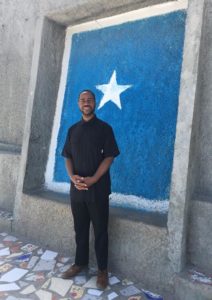 Tomb of the Unknown Soldier in Mogadishu
After a few days of staying in the capital, I made my way to Kismayo, where I visited groups of vulnerable and internally displaced people. Many of the people I spoke to seemed to have lost hope in their regional government. They are frustrated at the government’s inability to supply them with basics, like access to clean and safe water, education and healthcare. People are struggling to survive.
I couldn’t visit my birth village. It was too unsafe. But I am still grateful for the chance I had to visit my country and see my homeland. I also learned about the resilience of the Somali people who have endured so much for so long. While much progress has been made, the country still has a long way to gain its status it once held in the Horn of Africa.
Somalis within Somalia and the diaspora should try to help where they can. They should see that the country and people have suffered for far too long. It’s our country. It’s time we put tribal differences aside and reconcile for the betterment of the country. We cannot wait for other people to come and bring peace to the country. We need to be the force for change for our own people. If we pool our resources, knowledge, skills, and finances, we can do much to help. We still have an opportunity to build our country and gain back our reputation.
I grew up in refugee camps, studied and worked in the United States, but I have come to realize that whether one has been away from their homeland for a little bit or for a long time, we always carry a responsibility to the place where we were born. I will always love and be appreciative of the United States for the amazingly blessed life I have. I am a U.S. citizen and I have an American flag flying in front of my house. But I am also a Somali and I feel a pull to help those who are still there.


